
THE POWER OF PROTEIN: ESSENTIAL BENEFITS FOR YOUR HEALTH
08 Oct 2024

Last updated: September 2026
Say the word "protein" and most people picture shakes, powder tubs, and someone deep into a bulking phase. Fair enough, that association exists for a reason. But you don't need to care about building muscle for protein to matter. It maintains the muscle mass and strength you rely on for ordinary things: carrying groceries, climbing stairs, getting up off the floor without thinking about it.
What Is Protein, Really?
Protein shows up everywhere in your body: muscle, bone, skin, hair, even the blood moving through your veins right now. Think of it less as a supplement category and more as raw material. Your body uses it to build tissue, repair what's broken down, and keep everything running the way it's supposed to.
Louis Yap, Senior Dietitian at Mount Elizabeth Novena Hospital, puts it plainly: "Protein helps our body cells perform everyday activities and ensures that muscles, organs, and bones function normally. Proteins also create hormones and enzymes, which are crucial for maintaining a healthy immune system."
That's the part people miss. Protein isn't just for muscle. It's structural.
How Much Protein Do You Actually Need?
Your number depends on your age, your weight, and how active you are, so there's no single figure that fits everyone. For the average adult in Singapore aged 18 to 49, HealthHub recommends 0.8 grams of protein per kilogram of body weight a day. If you weigh 60kg, that's roughly 48 grams.
Past 50, the target moves up. Muscle mass naturally declines with age, and losing too much of it raises the risk of falls and fractures, so older adults should aim closer to 1.2 grams per kilogram.
Training regularly changes the equation too. Athletes and anyone hitting the gym consistently need more protein to recover and rebuild, somewhere in the range of 1.2 to 1.4 grams per kilogram, according to Healthline.
Protein and Performance: Why It Matters for Your Training
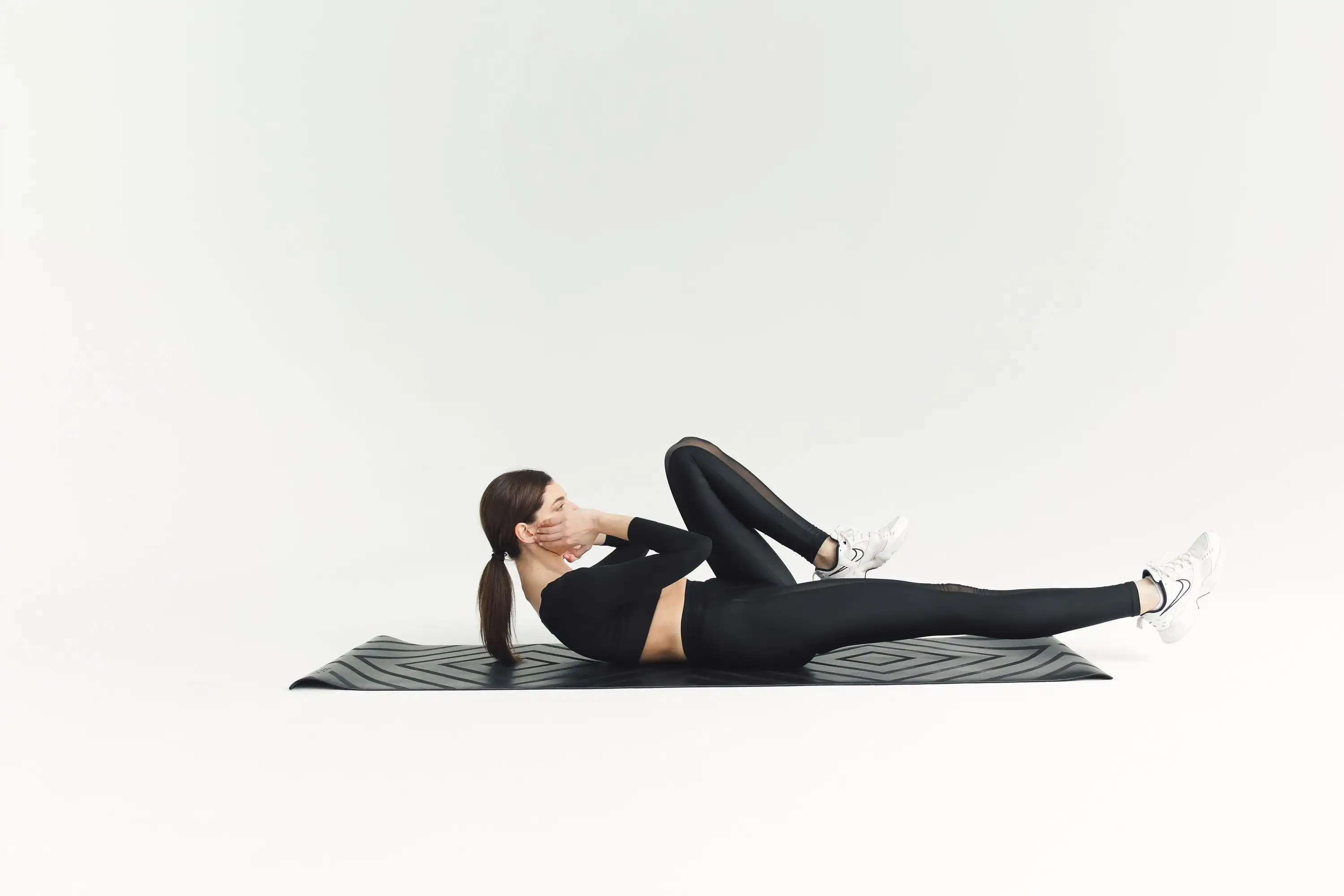
If you train, protein does more than sit on a nutrition label. It directly affects how you recover and how much of your progress you actually keep. Every strength session creates small tears in muscle fibre. Protein supplies the amino acids your body uses to repair that fibre and rebuild it slightly stronger, a process called muscle protein synthesis. Skip enough protein and that repair slows down, which shows up as more soreness, slower recovery between sessions, and less to show for the work you put in.
This matters whether you're lifting for strength, just starting to lift, or trying to figure out why your results have stalled. Spreading protein across your meals, rather than loading it all at dinner, gives your body a steadier supply of amino acids to draw from throughout the day. Pair that with consistent training and enough sleep, and recovery stops being the bottleneck.
Nutrition is half the plan. Training is the other half.
Getting your protein right only pays off if your training is structured to use it. A coach can build a programme around your goals, so recovery and progress actually add up.
| ✓ A programme built around your goals | ✓ Recovery that keeps pace with training | ✓ Progress you can measure |
Best Protein-Rich Foods to Add to Your Diet
Whether you eat meat or not, getting enough protein isn't hard to do. Chicken, beef, pork and fish are the obvious choices. Soy products, nuts, and beans do the job too, and they bring iron, B vitamins, and zinc along with them, which your immune system will thank you for.
For seniors specifically, Yap points to dairy and soy: "Dairy and soy products like milk and tofu are excellent protein sources, especially for seniors. They also contain calcium, which is vital for bone health."
Easy Ways to Get More Protein Into Your Day
You don't need to overhaul your meals to hit your protein target. Small swaps add up.
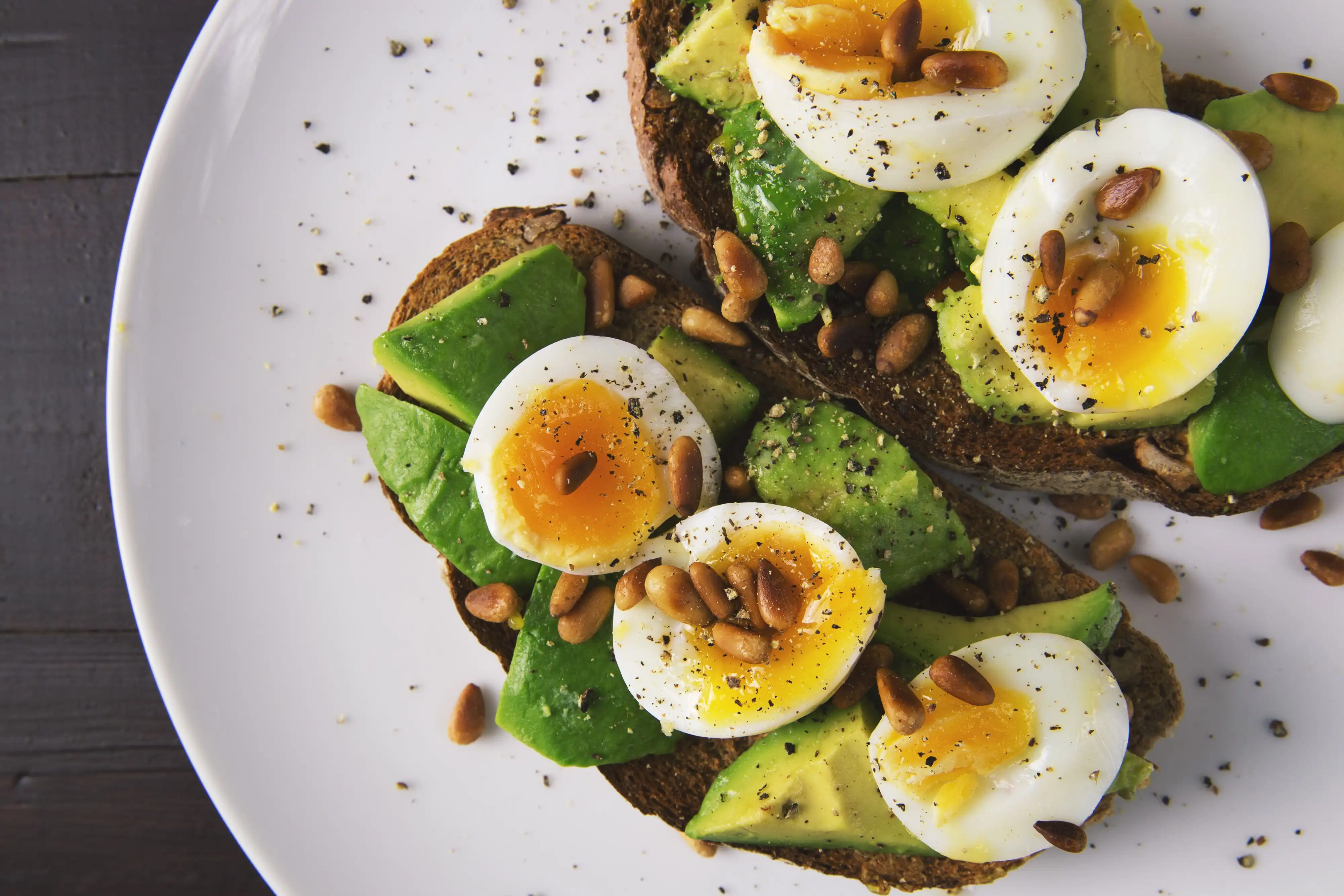
- Breakfast: eggs are the easiest win here, scrambled, fried, half-boiled, whatever you prefer.
- Lunch: swap white rice for brown rice, or reach for vermicelli over other noodles. Both bring more fibre, protein and iron to the table, which helps you dodge the post-lunch slump.
- Snack time: a soy drink, a bowl of silky beancurd, or a handful of edamame all work well between meals.
- Dinner: sliced fish soup is light but still does the job protein-wise, a good way to close out the day without feeling heavy.
If chewing is a concern, tofu, eggs and fish are gentler options that still deliver. A dietitian can help tailor a plan further if that's useful, and it's worth checking with a healthcare professional before making any big changes to your diet.
The Real Benefits of Eating Enough Protein
Cuts late-night cravings. Protein lowers levels of ghrelin, the hormone that drives hunger, which is part of why a higher-protein diet tends to curb the urge to snack before bed.
Builds stronger bones. About half of bone's volume is organic material, and collagen, a protein, makes up roughly 90% of that. Higher protein intake has been linked to better-preserved bone mass and a lower risk of osteoporosis and fractures as you age.
Supports healthier blood pressure. A Boston University School of Medicine study that followed participants over 11 years found that those eating around 100 grams of protein a day had a 40% lower risk of developing high blood pressure than those eating the least. Protein does more for your cardiovascular health than most people realise.
Food or Supplements: Choosing the Right Protein for You
Whether you get your protein from a shake or a plate of food comes down to preference, both work. There's no shortage of options either way, from food-first services to supplement brands like Lush Protein and Optimum Nutrition.
If you'd rather eat your protein than drink it but want a shortcut, ready-to-eat services like YOLO Foods handle the planning for you, meals built with an in-house nutritionist and chef, with the nutritional breakdown included.
Fitness First members also get exclusive discounts through First Privileges, worth checking if you're already training with us. Protein isn't just a gym-goer's macro. It's structural, it's recovery, it's bone health and blood pressure and how sore you feel two days after leg day. Start with the small swaps, build from there, and the rest tends to follow.
Frequently Asked Questions
How much protein do I need per day?
It depends on your age and activity level. Adults aged 18 to 49 in Singapore should aim for 0.8g per kilogram of body weight daily, adults over 50 should aim for 1.2g per kilogram, and active individuals or athletes need roughly 1.2 to 1.4g per kilogram.
Does protein help with muscle recovery after a workout?
Yes. Strength training creates small tears in muscle fibre, and protein supplies the amino acids your body uses to repair and rebuild that fibre through a process called muscle protein synthesis. Getting enough protein speeds up recovery and reduces soreness between sessions.
What foods are highest in protein?
Chicken, beef, pork and fish are common animal-based sources. Soy products, beans and nuts are strong plant-based options that also provide iron, B vitamins and zinc.
Can protein help with weight management?
Yes. Protein lowers ghrelin, the hormone responsible for hunger, which helps you feel fuller for longer and can reduce late-night snacking.
Is it better to get protein from food or supplements?
Both work equally well; it comes down to personal preference and convenience. Whole food sources bring extra nutrients along with the protein, while supplements or shakes offer a quicker, more portable option, especially around workouts.
Do older adults need more protein?
Yes. Adults over 50 should aim for around 1.2 grams of protein per kilogram of body weight daily, higher than the general adult recommendation, to help preserve muscle mass and reduce the risk of falls and fractures.